
Sacred Heritage in the Heart of Alappuzha
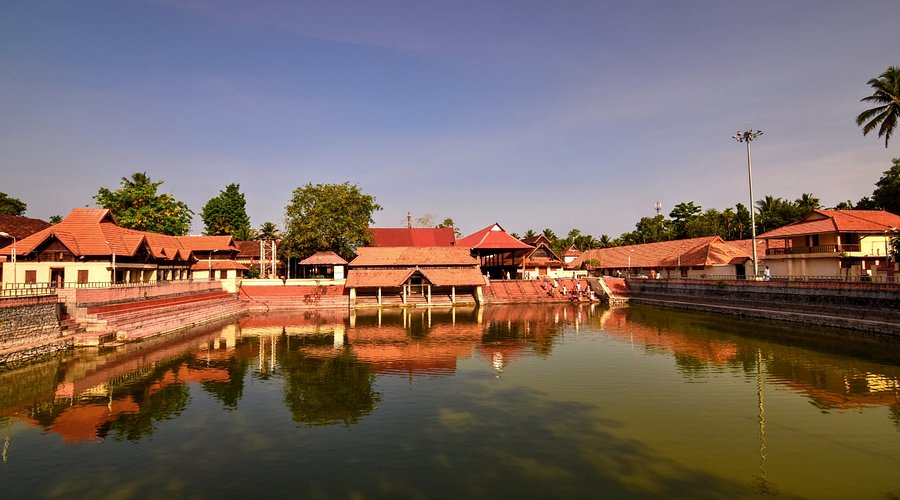
Unlike most traditional Kerala temples, the main sanctum sanctorum (Sreekovil) features an open roof above the deity, exposing Goddess Rajarajeswari (worshipped here as Vana Devi or Goddess of Nature) to the sun, wind, and rain. Legend has it that the temple was built in a jasmine garden (Mulla means jasmine in Malayalam), where royal soldiers and kings once placed the deity's idol under a canopy of flowers.The temple is widely known for welcoming people of all faiths, castes, and backgrounds to experience its sacred traditions and peaceful grounds.
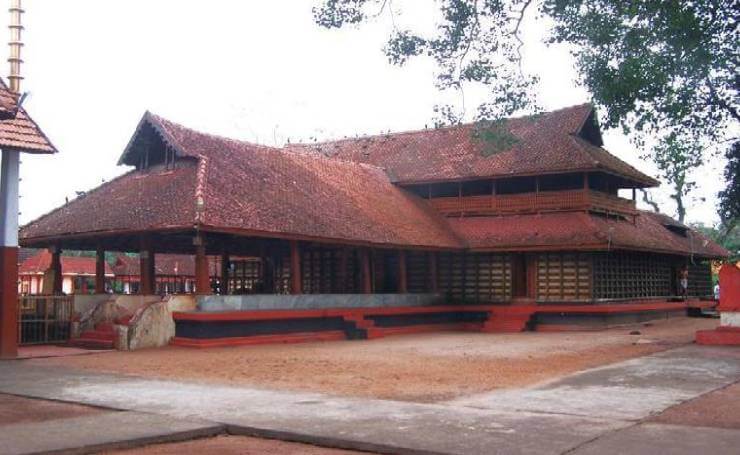
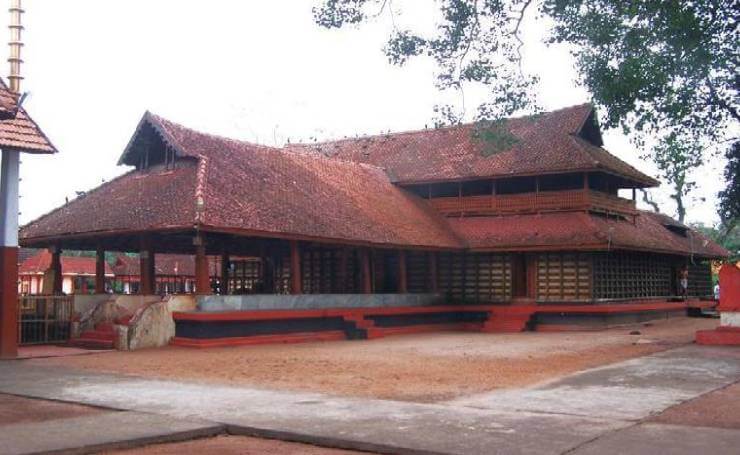
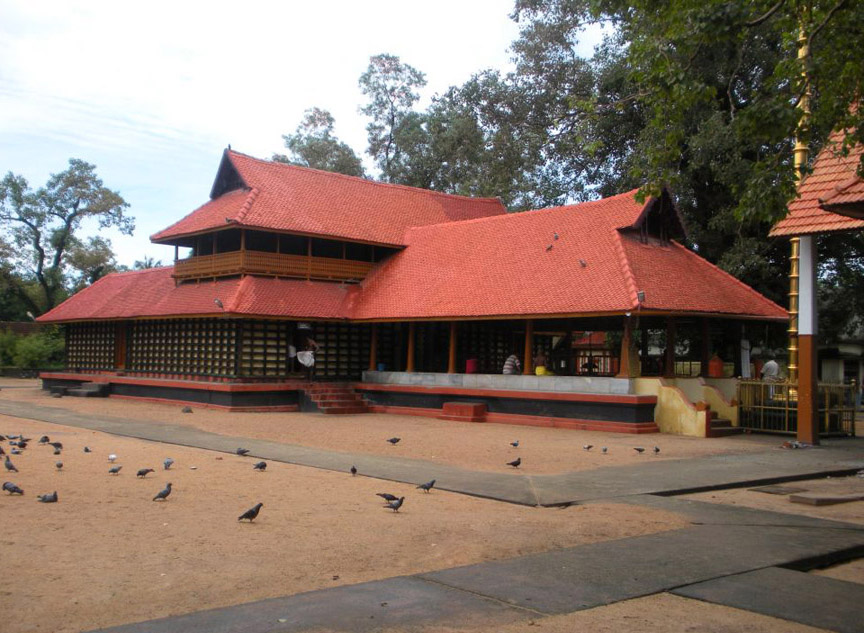
Admire the traditional wooden carvings, sloping tiled roofs, open-air courtyards, a large Anakottil (elephant shelter), and towering brass lamp posts (Deepasthambham).Walk around the compound to visit sub-deities including Lord Ganesha, Hanuman, Subrahmanya, Sree Krishna, Ayyappa, and Snake Gods (Nagas), as well as a sacred Shiva Lingam sheltered beneath a massive Banyan tree.Taste the temple's signature Prasadam—crispy, freshly made Urad Dal Vadas offered to the goddess in a centuries-old nightly ritual. Experience the grand 41-day annual festival where the temple and surrounding streets are illuminated with thousands of lamps and decorative arches. The festival features daily cultural music, classical dance performances, elephant processions, and street markets. During Navaratri, special Kumari rituals are held. On the first Sunday of December, an exclusive women's festival takes place where all temple duties and lamp-lighting rituals are carried out entirely by women devotees.
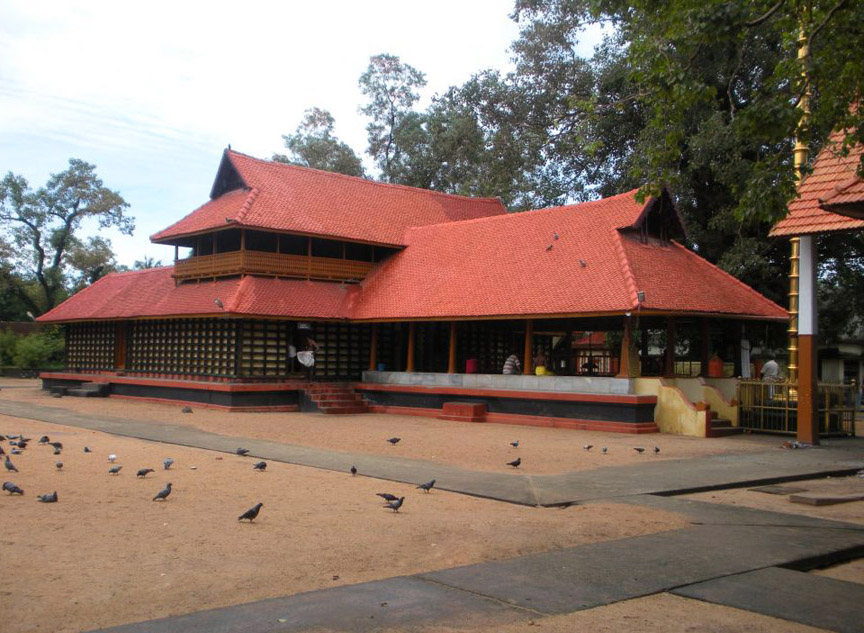
Festival Season (November to December): The absolute best period to visit for vibrant cultural displays, grand street lighting, music concerts, and festive energy during Mullakkal Chirappu. Year-Round Morning/Evening Hours: Outside festival dates, early mornings and evenings offer quiet, soulful atmosphere for meditation and traditional lamp-lighting ceremonies.
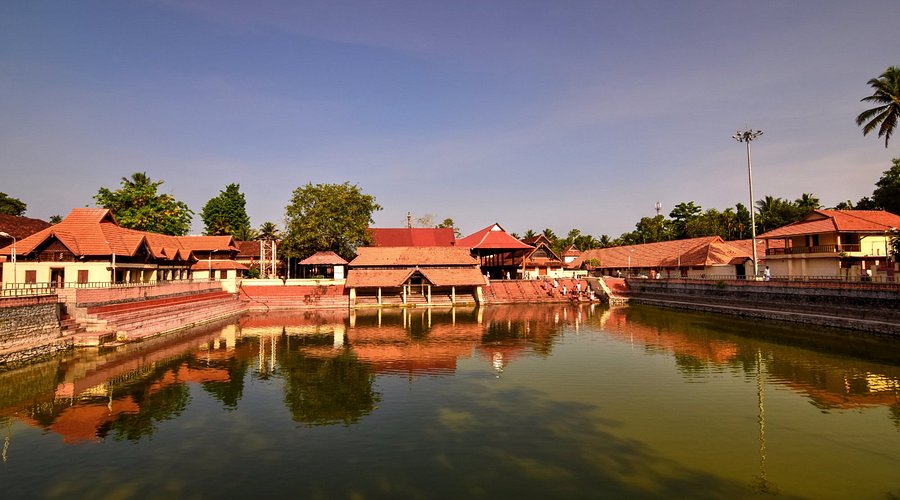
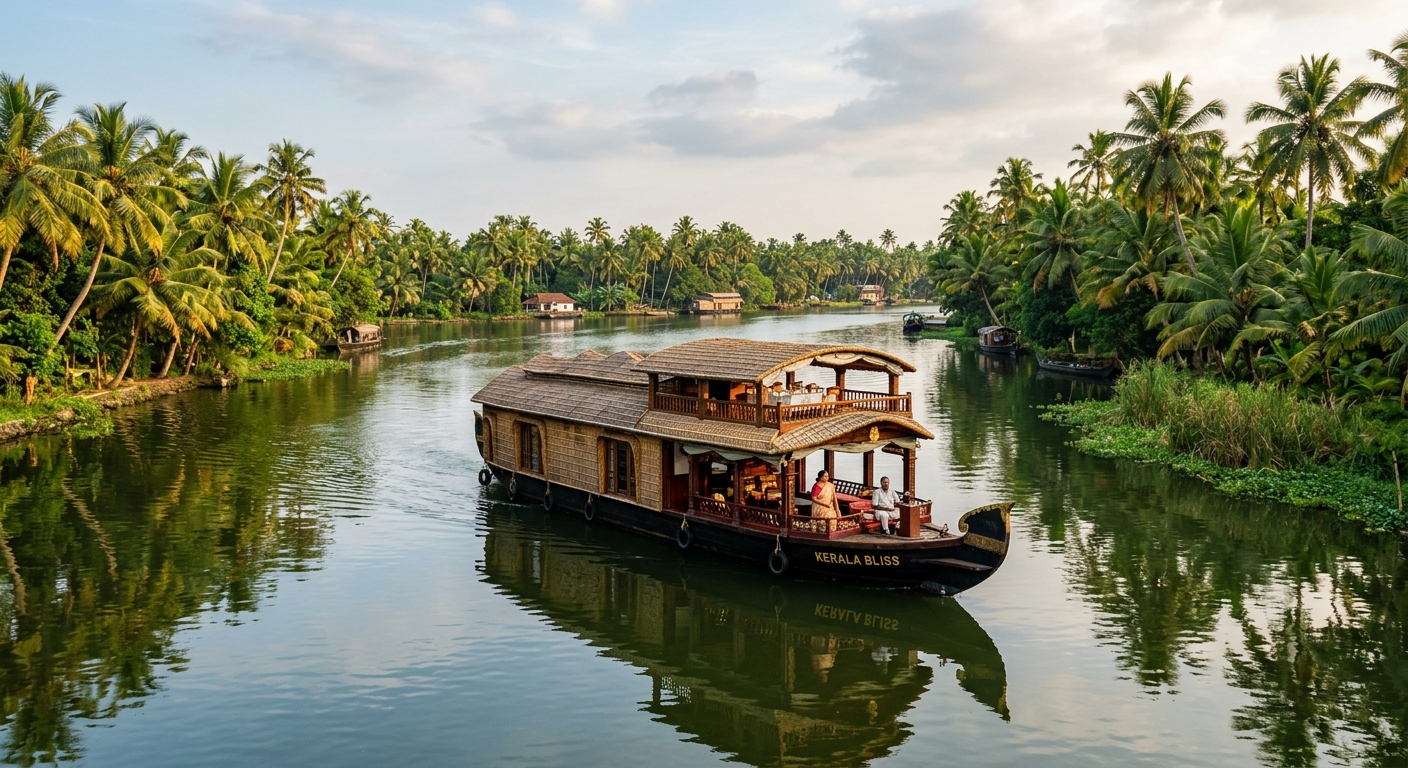 Waterfront
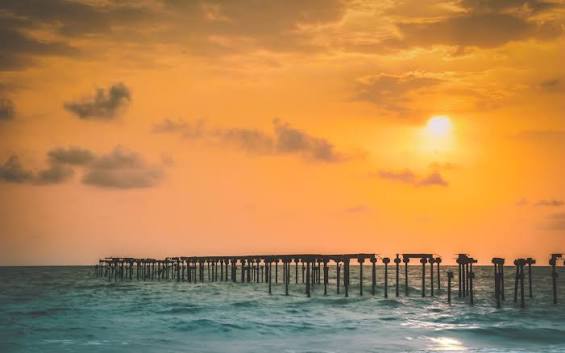 beach
beach
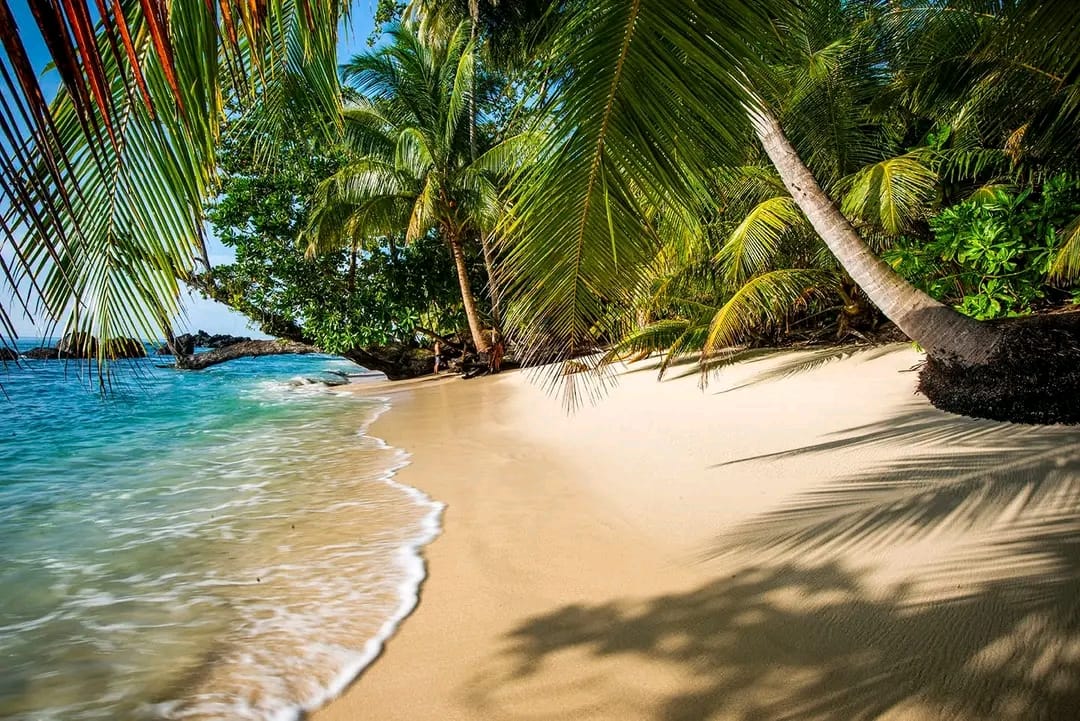 Beach
Beach